
What is Permaculture? (And Why We Practice It at Fagunia)
As conversations around sustainability, climate change, and conscious living grow louder, more people are beginning to explore alternative ways of living that are gentler on the planet. One term that often comes up in these discussions is permaculture.
At Fagunia, permaculture is not just a farming method. It is one of the guiding philosophies behind how we grow food, manage resources, design spaces, and live in the mountains of Uttarakhand.
But what exactly is permaculture, and why does it matter?
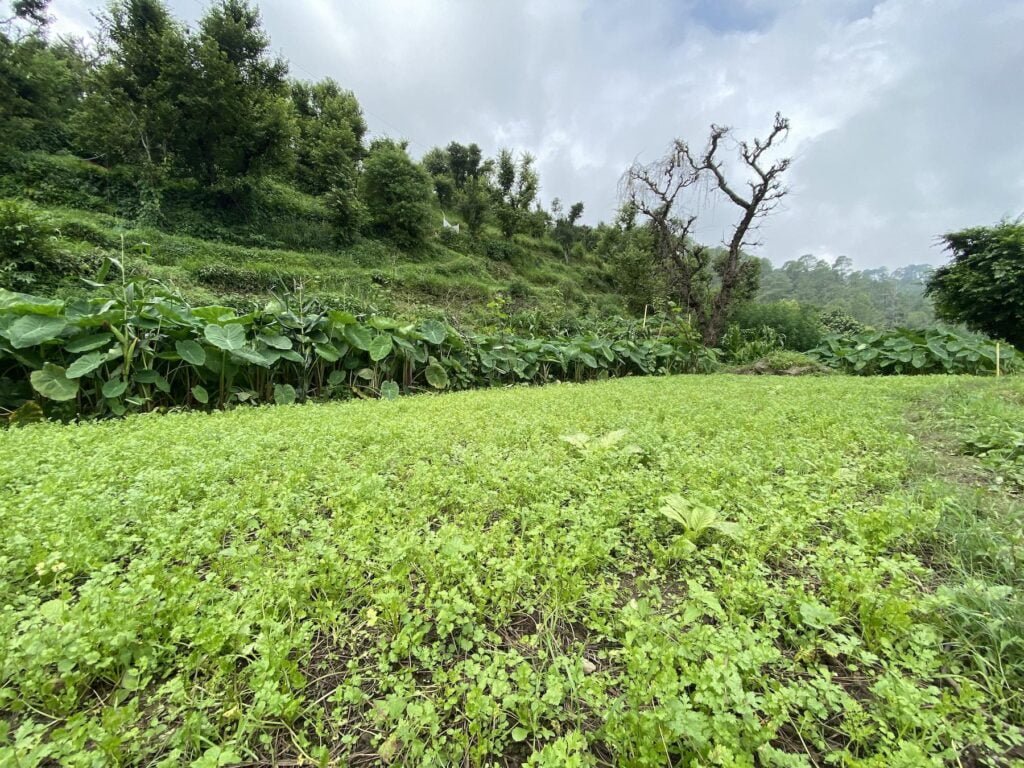
What is Permaculture?
The word permaculture comes from the combination of “permanent” and “agriculture,” though today it refers to much more than farming alone.
It is a design philosophy that aims to create sustainable systems by working with nature instead of against it. It was developed in the 1970s by Bill Mollison and David Holmgren in Australia as a response to industrial agriculture, environmental degradation, and unsustainable consumption patterns.
At its core, permaculture is based on observing natural ecosystems and learning from how they function. Forests, for example, thrive without chemical fertilisers, constant digging, or human intervention. Different plants support each other, organic matter returns to the soil, water is naturally conserved, and biodiversity creates resilience.
Permaculture attempts to apply these natural principles to human life — including farming, housing, water systems, energy use, and community design.
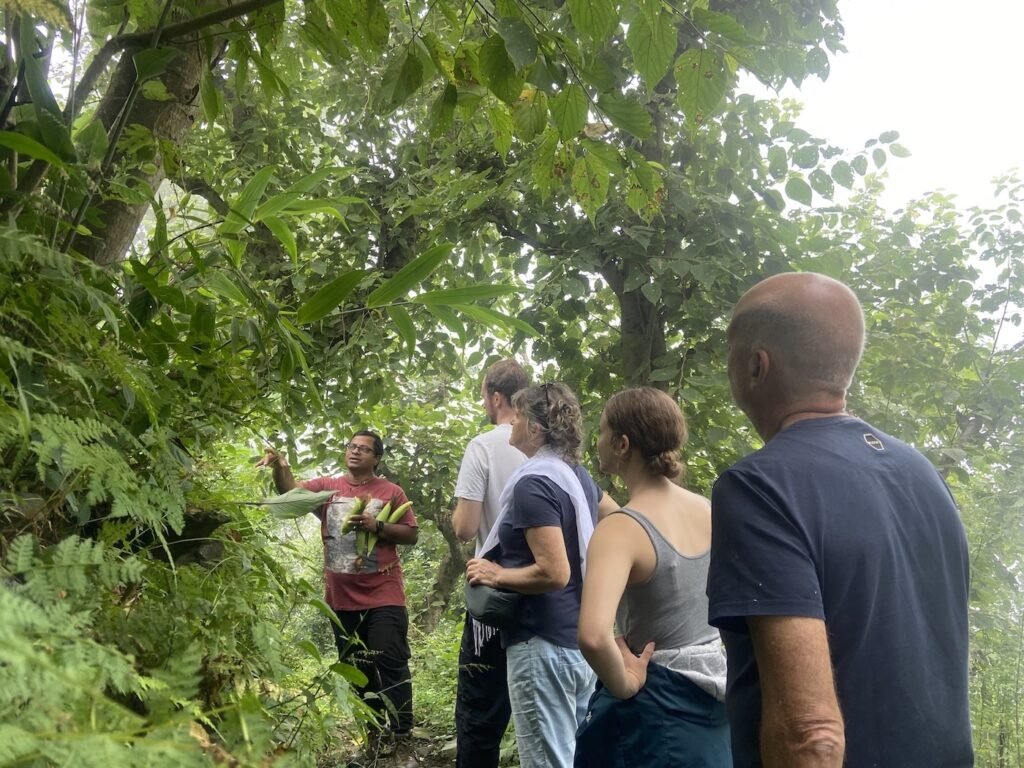
The Three Ethics of Permaculture
Permaculture is built around three simple but powerful ethics:
1. Care for the Earth
This means protecting soil, forests, water, biodiversity, and ecosystems rather than exploiting them.
2. Care for People
Permaculture encourages systems that support human well-being, community resilience, and healthier lifestyles.
3. Fair Share
This principle promotes mindful consumption and sharing surplus resources rather than endless accumulation.
These ethics deeply resonate with how we approach life at Fagunia.
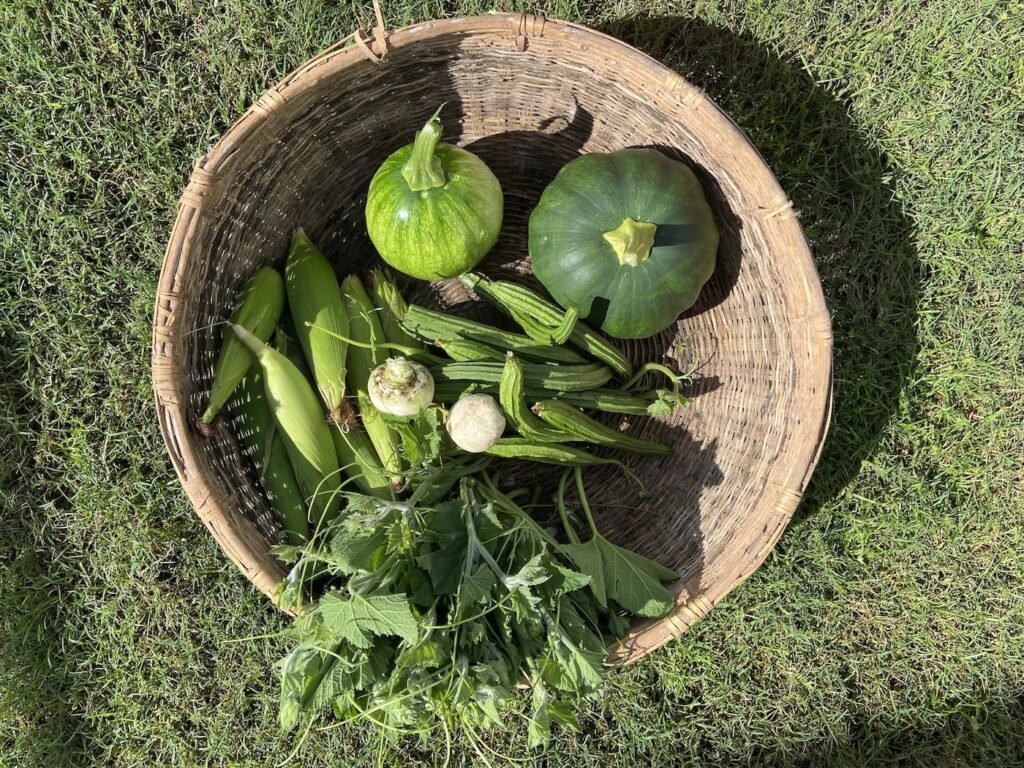
Why We Practice Permaculture at Fagunia
When we moved to the mountains and began creating Fagunia, we quickly realised that modern urban systems often do not work well in fragile Himalayan ecosystems. The hills are ecologically sensitive, resources are limited, and large-scale commercial development can damage both nature and local communities.
Permaculture offered us a framework for living more responsibly and intentionally.
Working With the Mountain Ecosystem
Instead of heavily altering the land, permaculture encourages understanding the natural flow of water, sunlight, wind, soil, and vegetation before designing anything.
At Fagunia, this means respecting the mountain terrain rather than forcing urban-style infrastructure onto it. We use local materials, preserve existing vegetation wherever possible, and try to minimise ecological disturbance.
Building Healthy Soil Naturally
Healthy soil is the foundation of healthy food systems.
Rather than relying on chemical fertilisers, we focus on composting organic matter, mulching, natural soil regeneration, and encouraging biodiversity. Kitchen waste returns to the soil, fallen leaves become mulch, and natural cycles are allowed to function.
Over time, this creates richer soil, healthier crops, and a more self-sustaining ecosystem.
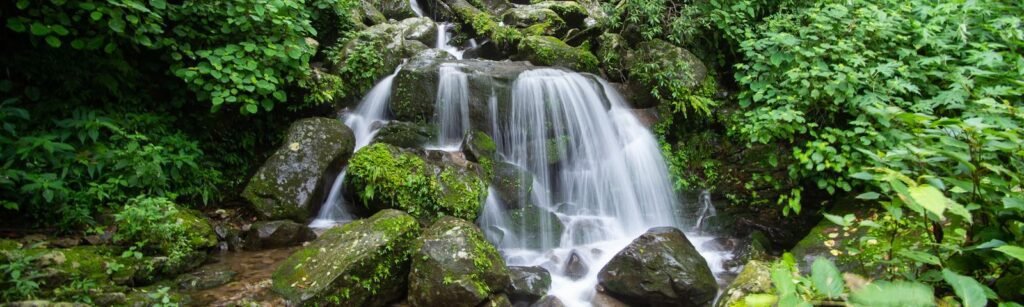
Water Conservation Matters in the Himalayas
Mountain regions are increasingly facing water stress due to climate change, deforestation, and unplanned tourism.
Permaculture places strong emphasis on slowing, storing, and wisely using water. At Fagunia, water conservation is integrated into daily life through mindful usage, collection and storage of rain water, natural drainage observation, and reducing unnecessary waste.
Diversity Instead of Monoculture
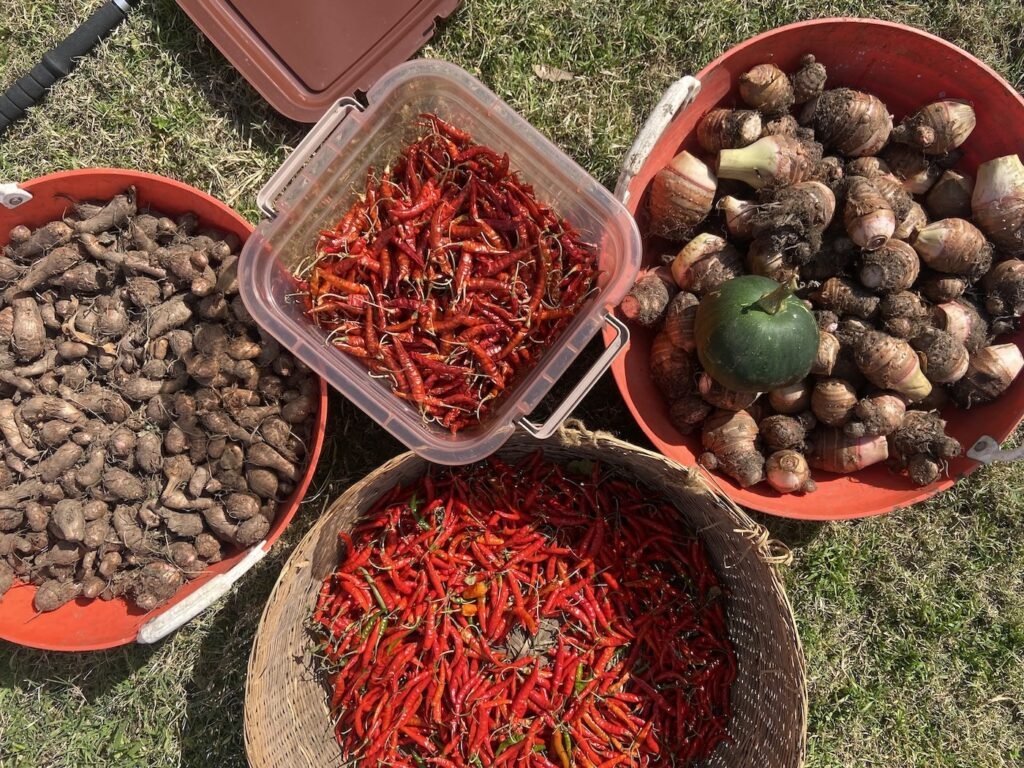
Industrial farming often depends on monoculture — growing a single crop repeatedly. Permaculture encourages diversity because diverse ecosystems are naturally more resilient. There is increasing evidence that permaculture helps conserve soil, water, increase biodiversity and the long term health and productivity of farms.
At Fagunia, we grow and support a mix of vegetables, herbs, trees, flowers, and native species. This improves soil health, supports pollinators, and creates balance within the ecosystem.
Permaculture is Also About Lifestyle
Perhaps the biggest misconception is that permaculture is only about agriculture.
In reality, permaculture influences how we consume, build, travel, host guests, and interact with communities. It encourages slower living, lower waste, local economies, renewable energy, and deeper awareness of the systems we depend on.
This philosophy shapes much of daily life at Fagunia — from solar energy use and mindful hospitality to mindful consumption and community engagement.
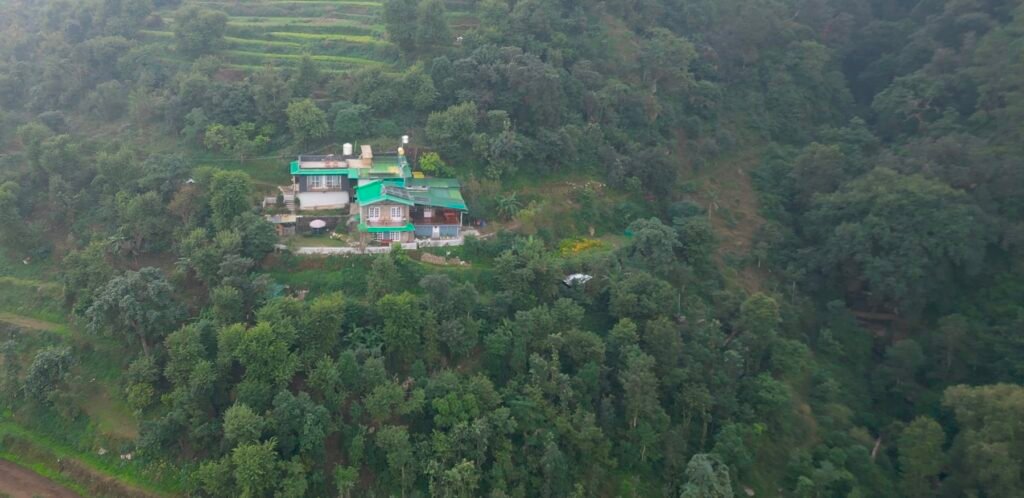
People and the Planet
Permaculture is not about achieving perfection or becoming completely self-sufficient overnight. It is about learning to live more thoughtfully and regeneratively over time.
At Fagunia, practicing permaculture helps us stay connected to the land, reduce our ecological footprint, and create a more meaningful relationship with nature and community.
In a world increasingly driven by speed, extraction, and excess, permaculture offers a quieter but deeply hopeful alternative: living in a way that allows both people and the planet to thrive together.
Socialise with us on Instagram and Facebook to follow our updates or to start a conversation. You can also visit our website to contact us or learn more about Fagunia.